
Sponsored post by Nikolas Palladino, Owner, Phinney Ridge Painting
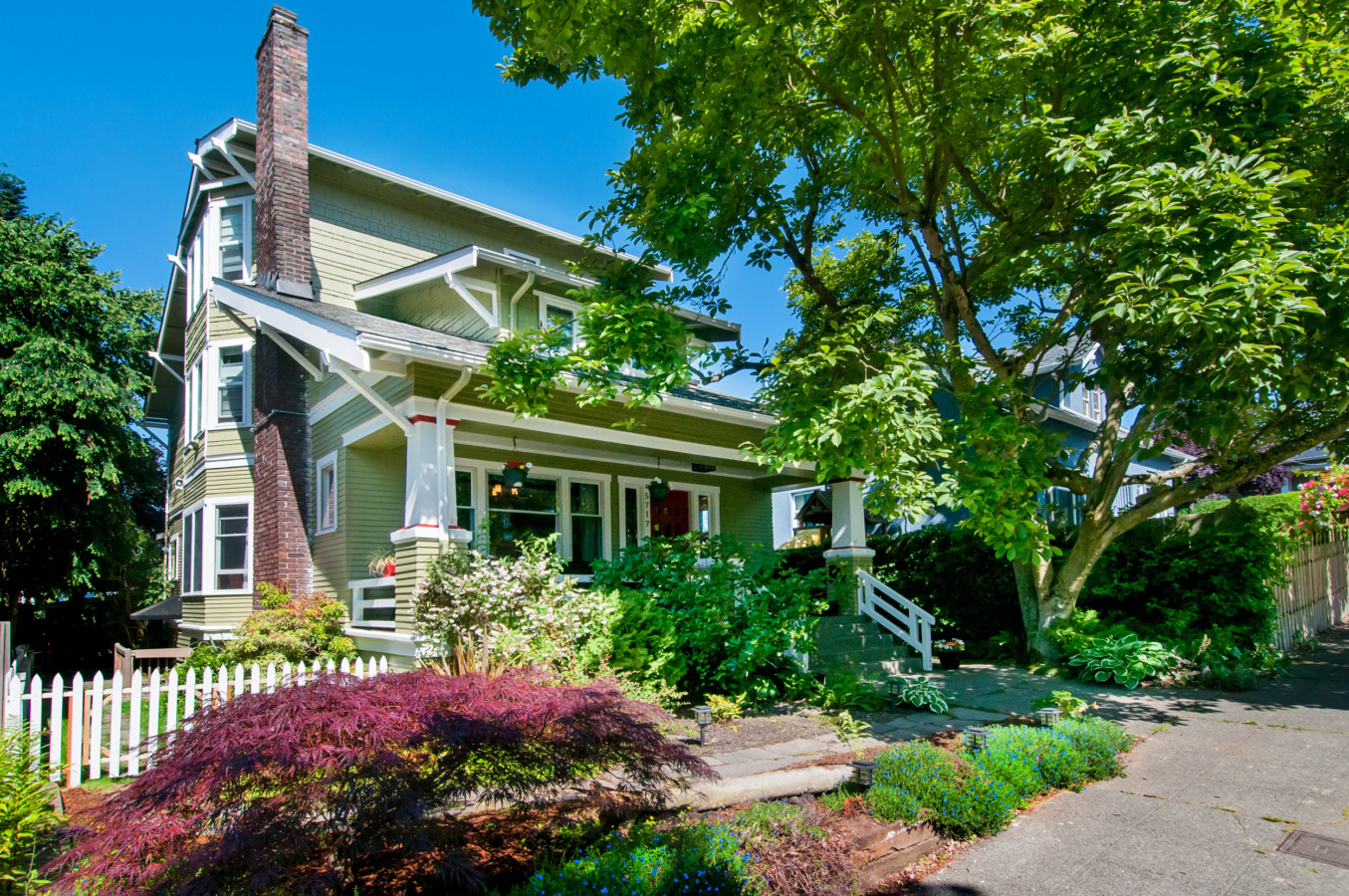
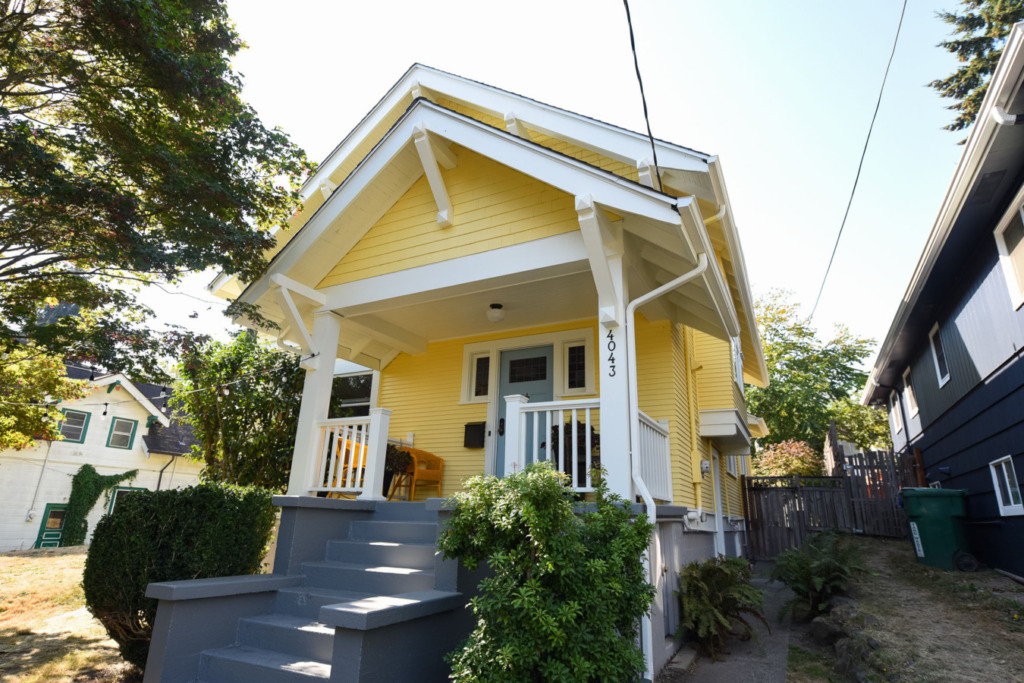
Seattle’s Phinney Ridge neighborhood is full of beautiful older homes—many built with original old-growth wood siding and trim that has lasted for generations. If your goal as a homeowner is to preserve these historic materials and avoid unnecessary replacement, the paint color you choose can play a bigger role than most people realize.
One of the most important (and often overlooked) factors is something called Light Reflective Value (LRV)
What is LRV?
Light Reflective Value (LRV) measures how much light a paint color reflects. The scale ranges from 0 (pure black) to 100 (pure white). Higher numbers reflect more light and stay cooler, while lower numbers absorb more heat and become significantly hotter in direct sun.
In practical terms, dark paint colors absorb more solar heat, while lighter colors reflect more sunlight and remain cooler.
Why This Matters for Older Seattle Homes
Many homes in Phinney Ridge and surrounding neighborhoods still have original old-growth cedar siding and trim
When very dark modern paint colors are applied to old wood surfaces, several issues can occur:
- Increased surface temperatures
- Shorter paint life
- Increased risk of wood damage
Higher temperatures can cause wood to expand and contract more aggressively, which stresses both the paint film and the underlying material.

The Urban Heating Effect
Painting a three-dimensional structure with dark colors can create as much of a heat sink as paving over a field and turning it into a parking lot.
When so many other things are regulated in the name of climate change, it is surprising that this issue is rarely mentioned publicly.
More heat produced means more need for climate control inside of homes—which leads to more energy consumption and additional warming of the surrounding environment.
Maintenance and Longevity
Paint color also affects how well a finish holds up over time.
Darker paints tend to:
- Heat causing moisture in wall cavities to expand and create paint bubbles
- Fade faster & show chalking sooner
- Require more frequent scraping & repainting
- Show surface contaminants like dust, soot, & pollen requiring frequent washing
- (Just like a dark car!)
Lighter colors with higher LRV values generally:
- Hold color longer
- Reflect heat better
- Show less dirt and mildew buildup, require less cleaning
Finding the Right Balance
This doesn’t mean every house needs to be white. Many historic palettes include beautiful mid-range colors that:
- Respect the architectural style of the home
- Maintain neighborhood character
- Protect original wood siding
- Reduce heat stress on the building
A thoughtful color selection that considers LRV, sun exposure, and architectural style can help extend the life of both your paint job and your original siding.
Preserving What Makes Phinney Ridge Special
One of the defining features of the Phinney neighborhood is its historic housing stock. Many of these homes have already lasted 80–120 years thanks to high-quality old-growth lumber and thoughtful maintenance.
Choosing paint colors that protect rather than stress these materials helps ensure they last another century.
When it comes to historic homes, preservation is almost always better—and more sustainable—than replacement.
If you have thoughts, questions or concerns about this blog or about your home, please contact us any time!